
YOUR BUSINESS CAN FUND NBJC AT NO COST THROUGH PridePays
Featured Videos_
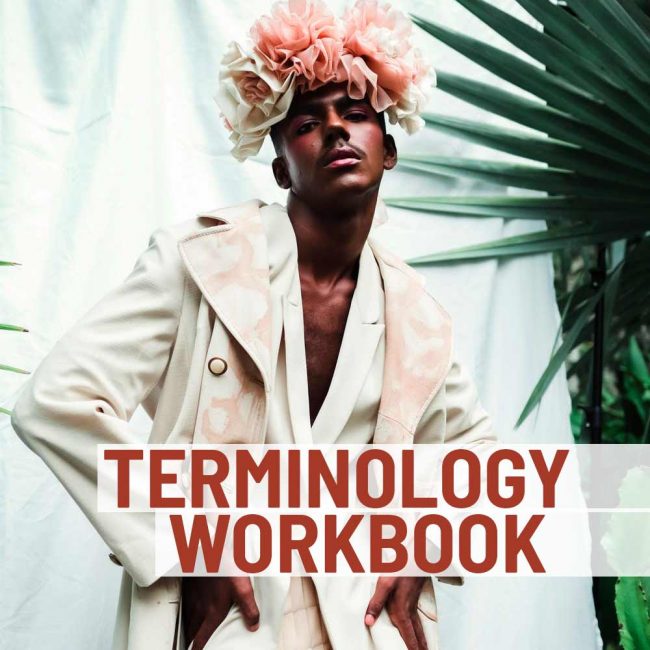
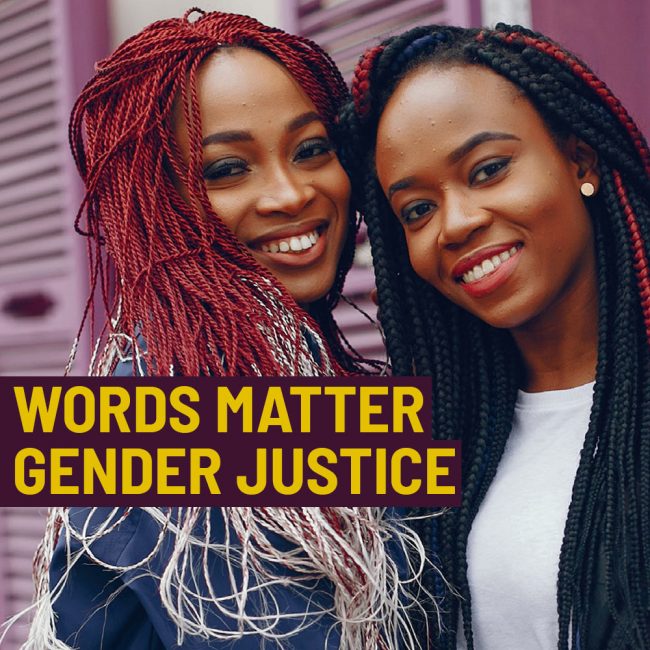
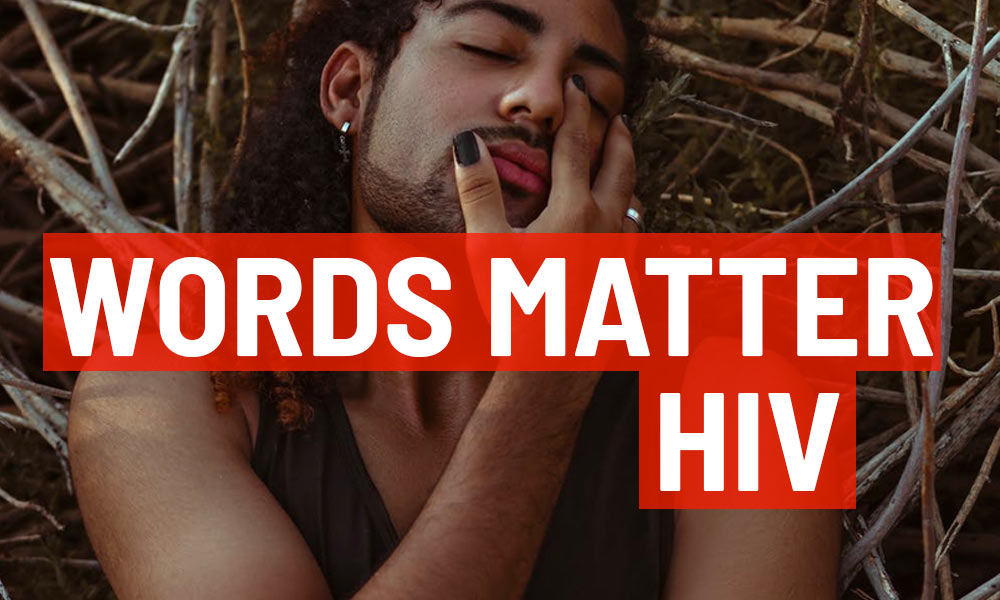
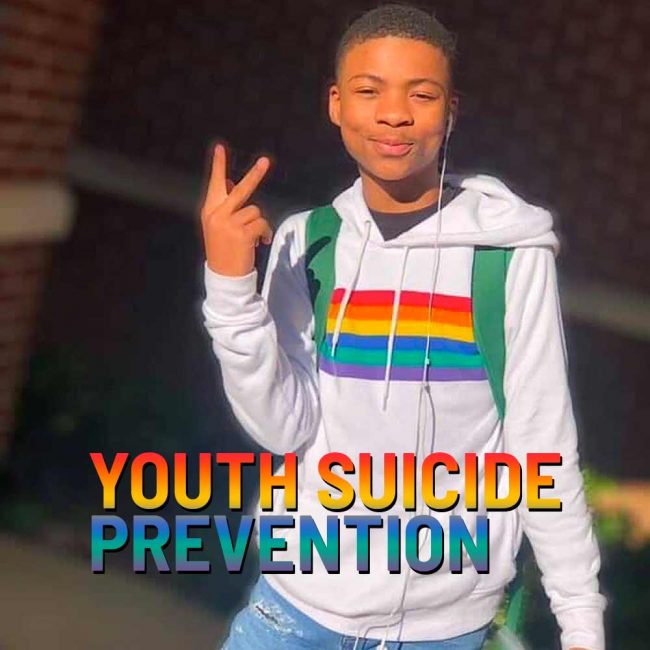
Get To Know
NBJC_
Our mission is to end racism, homophobia, and LGBTQ+/SGL bias and stigma.
Get Answers With
NBJC Resources_
See the reports, toolkits, and media that support our work.
Power:
Policy & Politics.
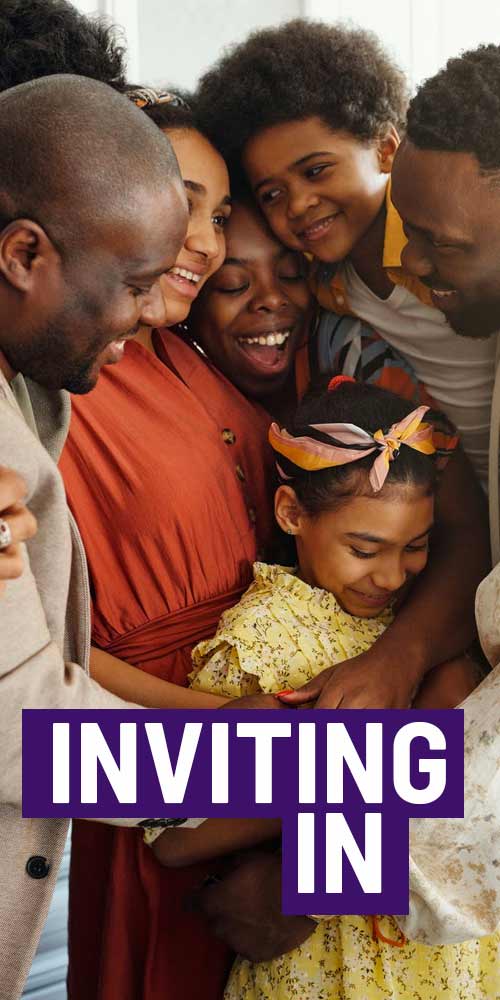
Join us as we advance the cause of LGBTQ+/SGL equity for Black individuals, families, and communities.
Our Work_
Shifting Power Dynamics
& Narratives
We shift the onus of identity disclosure off of impacted communities that deserve safety and thriving. No one is entitled to personal information they haven’t earned.
Power: Policy
& Politics
NBJC strengthens the bonds and bridges the gaps between movements for racial justice and for LGBTQ+/SGL equity.
Community Engagement.
Power Building.
NBJC leverages the power of coalition to shape policy, and shift praxis so that the needs of Black LGBTQ+/SGL people, families, and communities are centered and celebrated.
Frequently Asked
Learn about NBJC, our communities, and their needs.
Our Anchor Investors_




Our Investors_



Frequently Asked Questions
How to be an “Ally”
Becoming an ally requires making a sustained, lifelong commitment to unlearning anti-Blackness, homophobia, transphobia, and other forms of bias and hate. It requires action toward building a safe, equitable society in which all people are able to thrive.
Why all black lives must matter?
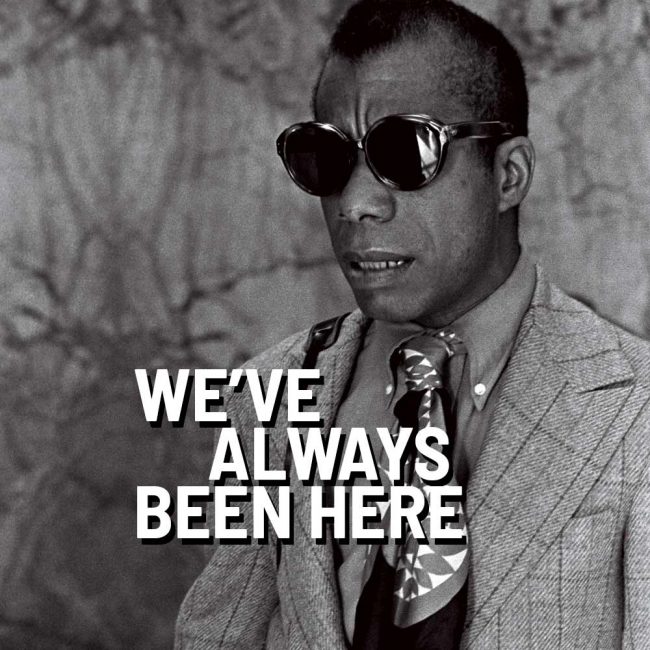
In “the Black community” we are immigrants, we are wo/men, we are dis/abled, we are multilingual, we are multi-ethnic, and we are—and have always been—transgender, queer+, bi/pansexual, intersex, gay, lesbian, same gender loving, heterosexual, and more. To say that Black Lives Matter, but leave out some who are Black and, is to succumb to the hierarchy of bodies on which white supremacy has always been built. In order for Black lives to matter, ALL Black lives must matter. Solving the crisis in housing for Black trans women solves the crisis for us all. Solving the crisis of discrimination in the workplace for our disabled family improves the workplace for us all. It shouldn’t take a global pandemic to show us that we could have created remote workplaces in so many fields. White supremacy keeps us disempowered when we agree to siphon our community into different categories of value. Let’s get free instead.
https://www.traditionrolex.com/5
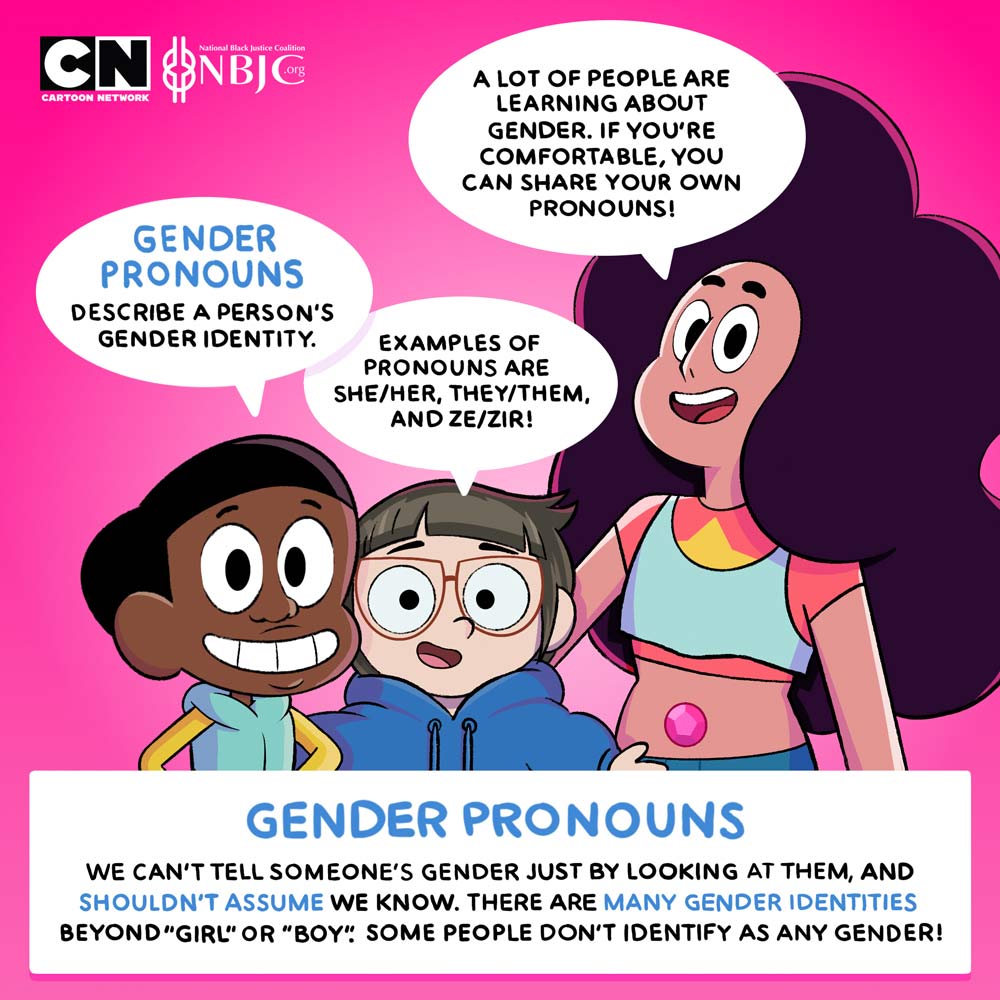
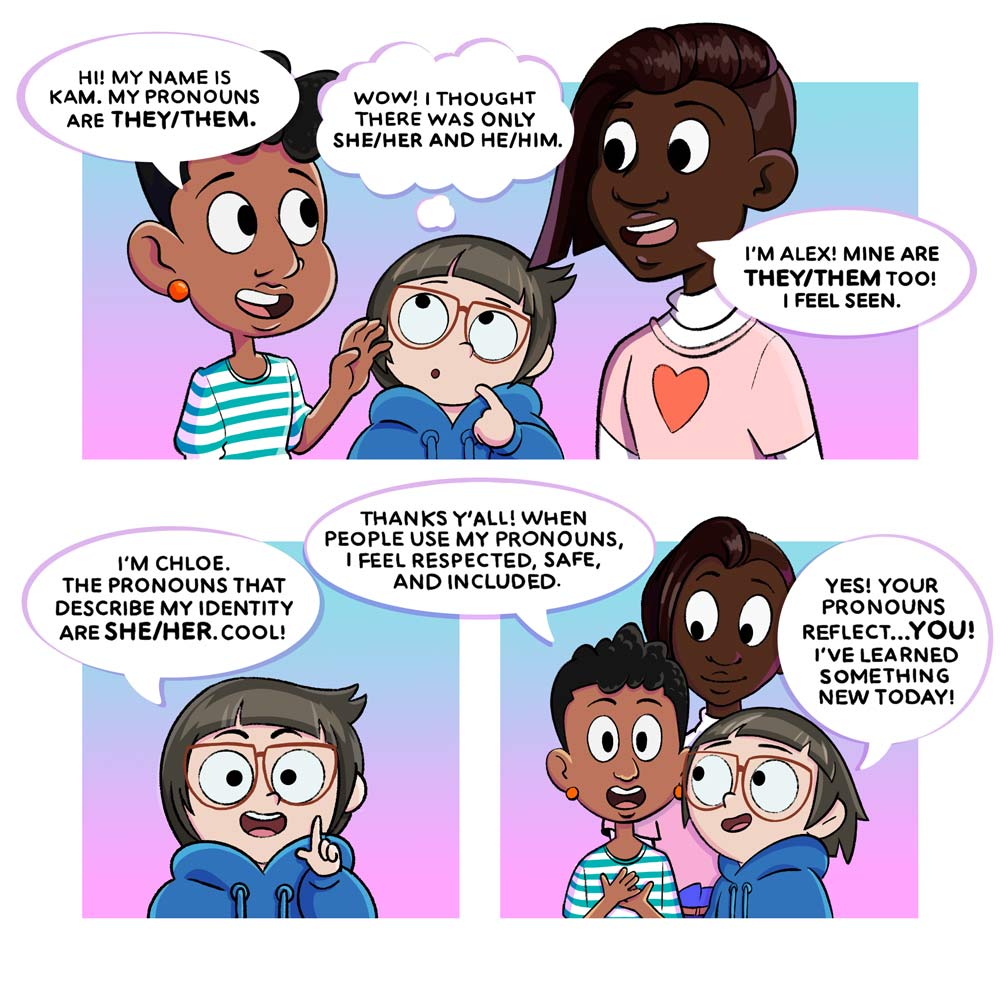
Why are gender pronouns important?
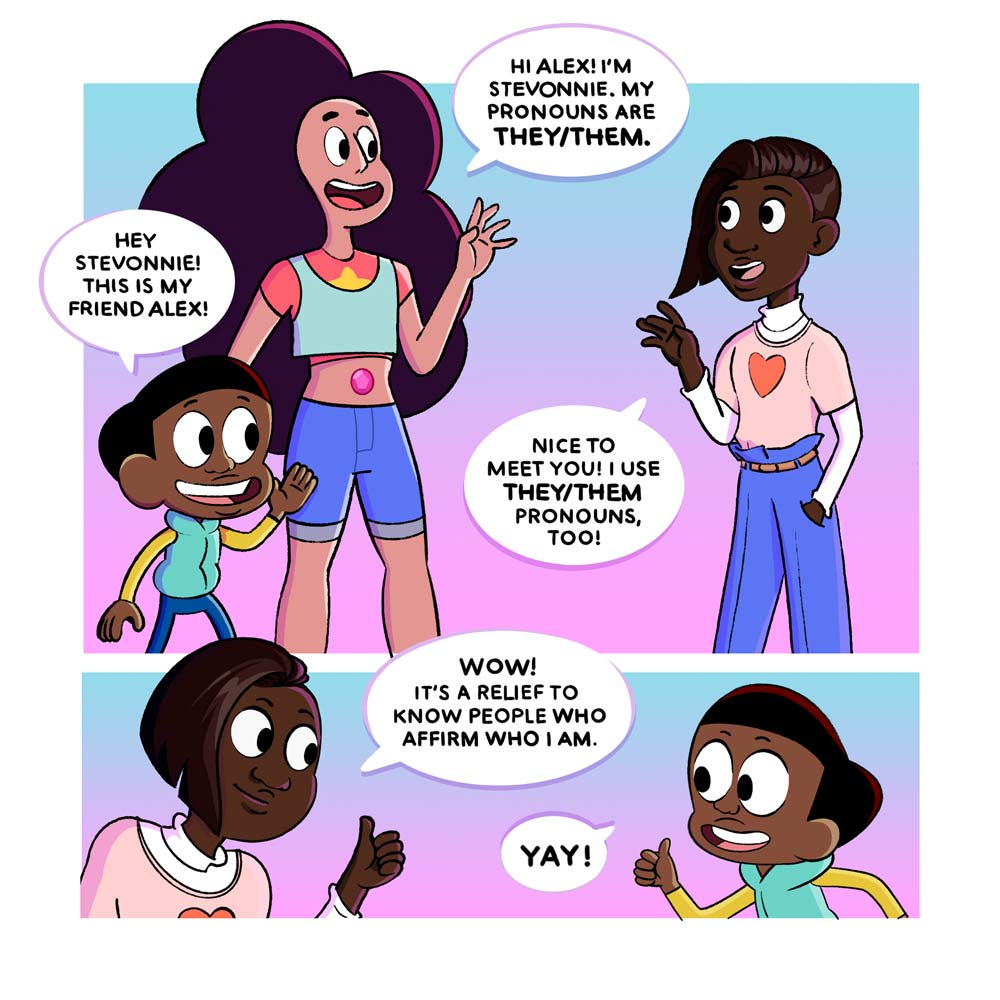
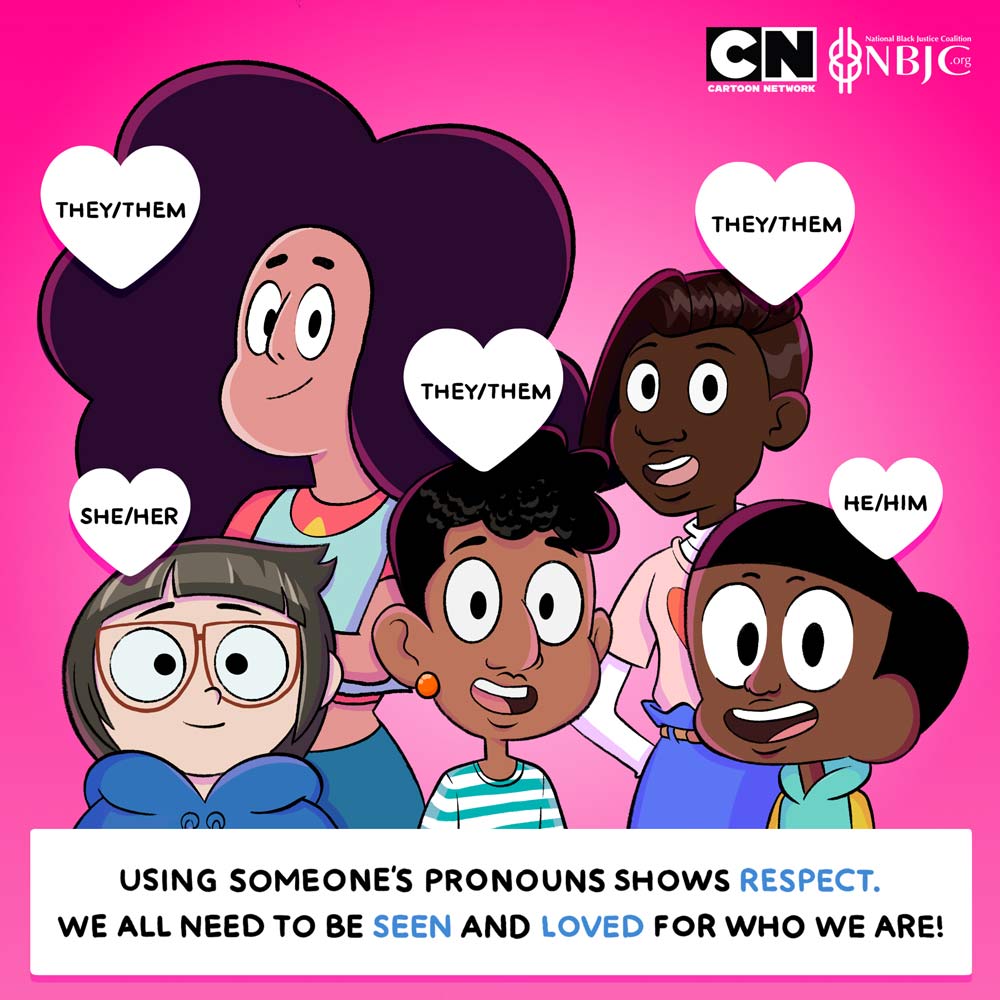
Take a look at our Cartoon Network comic strip collaboration to learn about the power of showing respect. A study from the University of Texas found that respecting trans youth’s chosen names across school, home, work, and with peers resulted in “71 percent fewer symptoms of severe depression, a 34 percent decrease in reported thoughts of suicide, and a 65 percent decrease in suicidal attempts.” Show respect, save lives. Name Use Matters for Transgender Youths Mental Health
How to get engaged?
Share NBJC’s content with your network. Volunteer to expand the community’s rights. Get involved in local efforts. We are America’s leading national Black LGBTQ+/SGL civil rights organization focused on advancing federal public policies that work for our community. Let us show you the way.
Connect with us
Sign up for our newsletter to get current news and updates and follow us on social media @NBJCOnTheMove.